
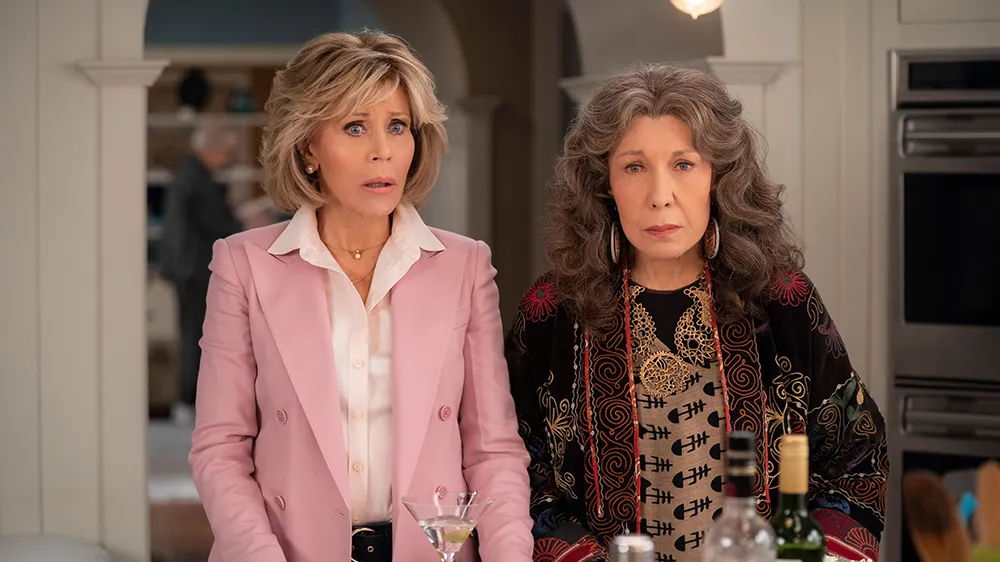
After seven seasons of laughter, tears, and unforgettable moments, the iconic series Grace and Frankie has bid farewell, leaving a lasting mark on television as one of the most celebrated portrayals of female friendship. The show chronicled the lives of Grace Hanson and Frankie Bergstein, two women brought together by unexpected circumstances, forming a bond that was equal parts quirky, heartfelt, and inspiring.
Fans and critics alike have praised the series for its honest depiction of aging, self-discovery, and the enduring power of female companionship. Beyond the humor and eccentric adventures, Grace and Frankie offered a nuanced exploration of friendship in later life, showing that connection, growth, and reinvention are possible at any age.
The Unlikely Pairing That Became Legendary
Grace and Frankie were polar opposites in personality and lifestyle. Grace, the sophisticated, controlled, and often uptight former businesswoman, contrasted sharply with Frankie, the free-spirited, whimsical artist with a penchant for bold fashion and unconventional ideas. Despite these differences, their friendship blossomed into a resilient and deeply supportive partnership.
The series highlighted how contrasts can strengthen relationships. Grace’s pragmatism balanced Frankie’s impulsiveness, while Frankie’s adventurous spirit nudged Grace toward embracing life’s unpredictability. Their dynamic illustrated that friendship thrives not only in shared interests but also in complementary differences.
Themes of Empowerment and Self-Discovery
At its core, Grace and Frankie was a story of empowerment. The show celebrated women navigating midlife transitions, embracing their independence, and finding new purpose after personal upheavals. Themes of self-discovery, career reinvention, romantic exploration, and familial reconciliation were explored with warmth, wit, and authenticity.
The characters’ journeys resonated with audiences because they challenged societal stereotypes about aging, particularly for women. Grace and Frankie proved that vibrant, complex lives continue well beyond youth and that meaningful friendships can be a source of strength and joy at any stage of life.
Humor, Heart, and Unconventional Wisdom
One of the reasons the series became so beloved was its balance of humor and emotional depth. Grace and Frankie’s banter, eccentric schemes, and comical mishaps provided endless laughs, while their heartfelt conversations about love, loss, identity, and mortality struck an authentic chord with viewers.
The “emotional support witches,” as fans affectionately dubbed them, became emblematic of the kind of friendship that nurtures both laughter and healing. Their candid approach to life’s challenges offered a model for embracing vulnerability, authenticity, and mutual support.
Impact on Television and Pop Culture
Grace and Frankie has had a significant impact on how television portrays female friendships and aging. It opened doors for stories about older women as protagonists, exploring their lives with complexity and humor rather than relegating them to supporting roles. The series also highlighted the importance of diverse representation, featuring multi-generational and culturally varied characters navigating contemporary issues.
The show’s influence extends beyond television, inspiring discussions on social media, fan communities, and popular culture about friendship, resilience, and redefining midlife.
Conclusion
As Grace and Frankie concludes its remarkable run, its legacy as television’s greatest female friendship endures. The series reminded audiences that true companionship is built on acceptance, trust, laughter, and shared adventures, no matter how unconventional the pair may be. Farewell to Grace and Frankie, the emotional support witches whose bond has left an indelible mark on the hearts of viewers and the landscape of television storytelling.
