

Table of Contents
Dubai: Does a mammogram cause breast cancer? Is the disease limited to older women or those with a family history of it? These questions reflect common misconceptions that may affect women’s awareness of the importance of early detection of the disease.
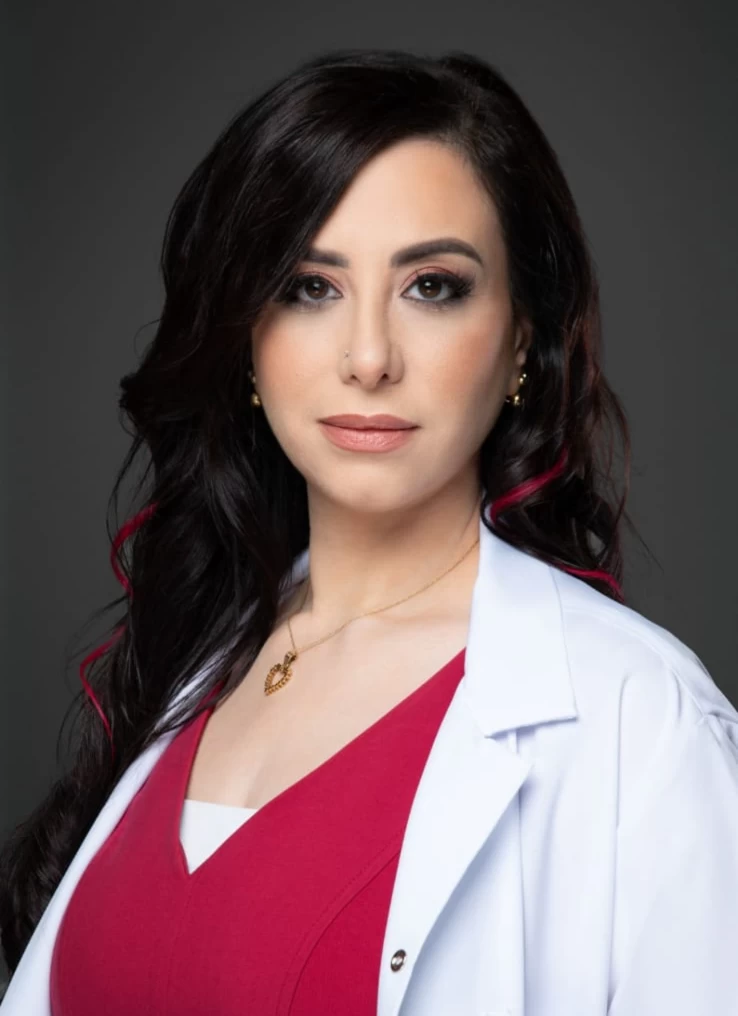
Coinciding with October, the global month for breast cancer awareness, Dr Dana Haddad, a consultant in breast radiology and interventional radiology, explained the validity of a number of these concepts, and the importance of periodic examination for the early detection of breast cancer.
Myth 1: Breast cancer only affects older women
The truth: Breast cancer can affect women at any age after puberty, but incidence rates increase with age. In this context, Dr Haddad stated that the average age of diagnosis in the Arab world is in the forties, compared to the sixties in Western countries, emphasising that this is why every woman should begin regular mammograms at the age of 40 at the earliest.
Myth 2: Breast cancer only affects those with a family history of the disease
The truth: More than 85% of women diagnosed with breast cancer have no family history of the disease, according to the American Cancer Society. Only 5 to 10% of cases are linked to genetic factors, according to the U.S. Centers for Disease Control and Prevention.
Myth 3: Mammograms cause cancer
The truth: Dr Haddad explained that the radiation dose from a mammogram is very low, roughly equivalent to the additional cosmic radiation a person is exposed to during a long (six-hour) flight. She pointed out that while there are potentially very small radiation risks, randomised clinical trials have proven that regular mammogram screening reduces breast cancer mortality.
Myth 4: I don’t need to get tested as long as I don’t have any symptoms
The truth: Regular screening aims to detect breast cancer before symptoms appear, in its early stages, thus increasing the chances of successful treatment and recovery. The timing and frequency of screening are determined based on age, risk factors, and established medical recommendations.
Myth 5: The mammogram result is conclusive and final
The truth: Mammograms may not detect all cases of breast cancer, especially in women with dense breast tissue. Dr Haddad explained that dense tissue can obscure some tumours. She noted that in some cases, a doctor may recommend additional tests, such as ultrasound or magnetic resonance imaging (MRI), depending on risk factors and the patient’s medical condition.
