
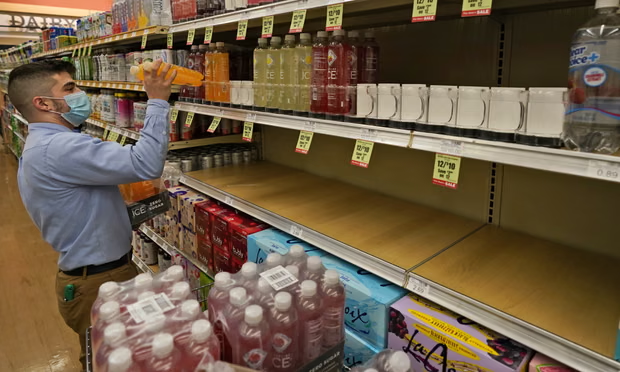
For decades, millions of Americans living in so called “food deserts” have struggled to access fresh, nutritious, and affordable food. These areas, often found in low income urban neighborhoods and rural communities, are typically dominated by convenience stores and fast food outlets with limited healthy options. The lack of access to fresh produce and wholesome foods has been linked to higher rates of obesity, diabetes, and other diet related illnesses.
Now, a wave of federal funding is beginning to change that reality. Through targeted investment programs, the U.S. government is supporting efforts to bring grocery stores, fresh food markets, and healthier supply chains into underserved communities. While challenges remain, early signs suggest that these initiatives are starting to make a meaningful difference.
Understanding Food Deserts
Food deserts are defined as areas where residents have limited access to affordable and nutritious food, particularly fresh fruits, vegetables, and whole foods. These communities are often located far from full service grocery stores, making it difficult for residents without reliable transportation to shop for healthy options. ()
In many cases, people rely on nearby convenience stores that stock mostly processed foods high in sugar, salt, and unhealthy fats. This limited access contributes to long term health disparities, including higher rates of chronic diseases. ()
Food deserts disproportionately affect low income populations and communities of color, making the issue not only a public health concern but also a matter of social and economic equity.
Federal Funding Driving Change
In recent years, federal programs have begun to target food deserts more aggressively. Initiatives such as the Healthy Food Financing Initiative and funding from pandemic era relief packages have provided grants and loans to businesses and organizations working to improve food access.
For example, the U.S. Department of Agriculture has invested millions of dollars into projects aimed at expanding access to healthy food in underserved areas. () These funds help support grocery stores, local markets, and food supply chain projects in communities that previously lacked such resources.
Additional investments exceeding tens of millions of dollars have been directed toward programs that promote food and nutrition security, including efforts to increase access to fruits and vegetables for families in need. ()
These programs are designed not only to improve food availability but also to strengthen local economies and support small businesses.
New Grocery Stores and Revitalized Markets
One of the most visible impacts of federal funding is the opening or revitalization of grocery stores in areas that previously had few or no options for fresh food. In some communities, existing stores are being renovated and expanded to include a wider range of healthy products.
These developments are particularly important in rural regions and Indigenous communities, where access to nutritious food has historically been limited. In such areas, federal funds have helped transform small retail outlets into full service grocery stores offering fresh produce and essential items. ()
The arrival of these stores reduces the need for long travel distances and makes healthy food more accessible on a daily basis.
Supporting Local Food Systems
Beyond retail stores, federal initiatives are also focusing on strengthening local food systems. This includes supporting farmers, food producers, and distribution networks that bring fresh food directly into underserved communities.
By investing in local supply chains, these programs help ensure that healthy food is not only available but also affordable. They also create economic opportunities by generating jobs and supporting small businesses.
Community based approaches, such as farmers markets and food cooperatives, are also being encouraged as part of a broader strategy to improve food access.
Challenges Still Remain
Despite the progress, significant challenges remain in addressing food deserts nationwide. Funding gaps, infrastructure limitations, and rising food costs continue to create obstacles for both providers and consumers.
Some food banks and pantries, for example, have welcomed new federal guidelines promoting healthier foods but struggle with limited resources to store and distribute fresh items effectively. ()
Additionally, transportation barriers, economic inequality, and supply chain disruptions can still make it difficult for residents to consistently access healthy options.
Experts emphasize that long term success will require sustained investment, community involvement, and coordinated policy efforts.
A Step Toward Health Equity
The influx of healthy food options into food deserts represents a significant step toward addressing long standing inequalities in access to nutrition. By making fresh and affordable food more widely available, these initiatives have the potential to improve public health outcomes and reduce disparities across communities.
Better access to nutritious food can lead to healthier diets, lower rates of chronic disease, and improved quality of life for millions of people.
Conclusion
Federal funding is beginning to reshape the landscape of America’s food deserts, bringing fresh food and new opportunities to communities that have long been underserved. While the journey toward universal access to healthy food is far from complete, these efforts mark important progress.
By continuing to invest in food infrastructure, local businesses, and community driven solutions, policymakers and organizations can build on this momentum and move closer to a future where access to nutritious food is not determined by where someone lives.
