
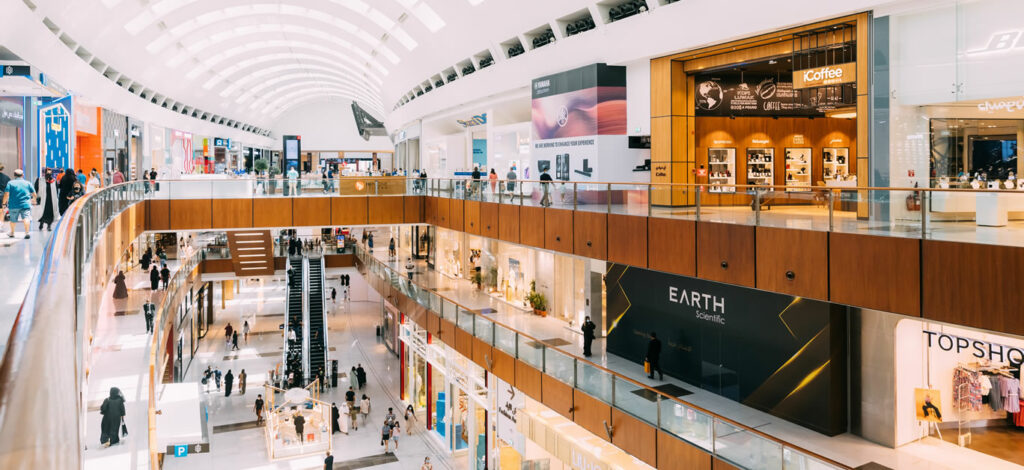
The COVID 19 pandemic reshaped nearly every aspect of daily life, and the retail industry was no exception. When lockdowns and social distancing measures were introduced around the world, millions of consumers quickly shifted from traditional in store shopping to online purchasing. Retailers had to respond rapidly to survive in an environment where foot traffic declined dramatically and health concerns became a top priority for shoppers.
Even as restrictions eased and customers began returning to physical stores, the shopping experience was no longer the same. Consumers had developed new expectations for convenience, safety, and efficiency. Retailers, in turn, began rethinking the way their stores operate, introducing innovative technologies and creative strategies designed to blend the best aspects of digital and in person shopping.
The result has been a new era for brick and mortar retail, where stores are evolving into smarter, more flexible spaces that aim to meet the changing needs of modern consumers.
A Shift in Consumer Expectations
During the height of the pandemic, many people became accustomed to the convenience of online shopping. With just a few clicks, consumers could browse products, compare prices, and receive deliveries at their doorsteps. This shift significantly altered expectations about speed and convenience.
As customers return to physical stores, they now expect the same level of efficiency they experienced online. Long checkout lines, limited product information, and outdated shopping experiences can discourage shoppers who have grown used to seamless digital transactions.
Retailers are responding by redesigning their stores and services to make in store shopping faster, smoother, and more engaging.
Contactless Technology in Retail
One of the most visible changes in physical stores since the pandemic has been the widespread adoption of contactless technology. Retailers introduced contactless payment systems, self checkout kiosks, and mobile payment options to reduce physical interactions between customers and staff.
Many stores now allow shoppers to scan items using mobile apps and pay digitally without waiting in line. These systems help reduce congestion at checkout counters while also providing a safer and more convenient shopping experience.
Digital receipts, QR code product information, and touchless ordering systems have also become more common in stores seeking to modernize their operations.
Blending Online and Offline Shopping
Another major innovation in retail has been the integration of online and in store shopping experiences. Many retailers now offer services such as buy online pick up in store, often referred to as BOPIS.
This approach allows customers to browse and purchase products online while still enjoying the convenience of picking them up quickly from a nearby store. Curbside pickup services have also become popular, allowing customers to receive their orders without entering the store at all.
By combining digital convenience with physical store access, retailers can serve customers who prefer flexibility in how they shop.
Reimagining the Physical Store Experience
To encourage shoppers to return to stores, many retailers are transforming their physical locations into more engaging environments. Rather than simply displaying products on shelves, stores are becoming interactive spaces where customers can explore, test, and experience products.
Some stores now feature demonstration areas, personalized shopping assistance, and interactive displays that provide detailed product information. These experiences offer something that online shopping cannot fully replicate.
Retailers are increasingly focusing on making in store visits feel worthwhile and enjoyable rather than purely transactional.
Smarter Inventory and Data Systems
Technology is also playing a major role behind the scenes. Retailers are using advanced inventory management systems to track products more accurately and ensure shelves remain stocked with popular items.
Data analytics helps companies understand customer behavior, including which products are frequently purchased and how shoppers move through stores. This information allows retailers to adjust store layouts, optimize product placement, and improve overall efficiency.
Smart inventory systems can also connect online and in store stock information, ensuring that customers see accurate product availability when browsing online.
Health and Safety Still Matter
Although the most intense phases of the pandemic have passed, health and hygiene remain important considerations for many shoppers. Retailers continue to maintain enhanced cleaning procedures, improved ventilation systems, and wider store layouts to promote comfort and safety.
Hand sanitizing stations and clear signage encouraging responsible behavior are still present in many locations. These measures help reassure customers who remain cautious about crowded public spaces.
By maintaining these practices, retailers demonstrate their commitment to customer wellbeing.
The Role of Retail Employees
Retail innovation is not only about technology. Store employees continue to play a vital role in delivering positive shopping experiences. Many retailers are investing in staff training so employees can assist customers with both digital tools and traditional in store services.
Employees equipped with mobile devices can check inventory, place online orders for customers, or provide detailed product recommendations on the spot. This blend of technology and personal service creates a more efficient and satisfying experience for shoppers.
Human interaction remains one of the key advantages that physical retail stores have over purely online platforms.
The Future of In Store Retail
The changes brought about by the pandemic have accelerated a transformation that was already underway in the retail industry. Physical stores are no longer just places to buy products. Instead, they are becoming hubs for experiences, convenience, and customer engagement.
Retailers that successfully adapt to these new expectations are more likely to attract and retain customers in the long term. By combining digital innovation with personalized service, stores can create shopping experiences that feel modern and relevant.
As technology continues to evolve and consumer behavior shifts further, the retail landscape will likely keep changing in creative and unexpected ways.
Conclusion
The pandemic forced retailers to rethink how they operate and interact with customers. What began as a response to a global crisis has now become a lasting transformation in the retail world.
From contactless payments and integrated online services to redesigned store layouts and smarter technology, the modern in store shopping experience looks very different from what it once was.
While online shopping remains popular, physical retail is far from disappearing. Instead, it is evolving into a more innovative, convenient, and engaging experience that reflects the needs of today’s consumers.
